
High-chromium alloy cast iron is a strong material candidate for MDF refiner plates exposed to intensive abrasive wear. Its chromium-rich carbide structure helps resist material loss during refining. However, the final performance also depends on the metallic matrix, carbide distribution, toughness, casting quality, and tooth geometry. Selecting a suitable material requires evaluating the complete metallurgical structure rather than chromium content alone.
MDF production requires wood chips to be separated into fibers through thermomechanical refining.
Inside an MDF defibrator, rotor and stator plates work together to process the incoming material. Their refining bars and grooves control the mechanical interaction between wood chips and refining surfaces.
During continuous operation, the plates are exposed to abrasive wear, mechanical stress, localized impact, and thermal loading.
As the refining bars become worn, the working profile changes. This can affect material flow, refining intensity, and the consistency of fiber production.
For this reason, MDF Refiner Plates must be evaluated according to both material characteristics and application requirements.
High-chromium white cast iron contains hard chromium-rich carbide phases.
These carbides provide resistance to abrasive material removal. Their distribution within the metallic matrix is particularly important because the matrix supports the carbide structure during mechanical loading.
A comparative study of stainless steel and high-chromium cast iron refiner plates found better abrasion resistance in the tested high-chromium cast iron materials.
The study also indicated that material microstructure significantly influences wear performance.
This provides an important engineering lesson: chemical composition alone cannot fully predict the performance of a finished refiner plate.
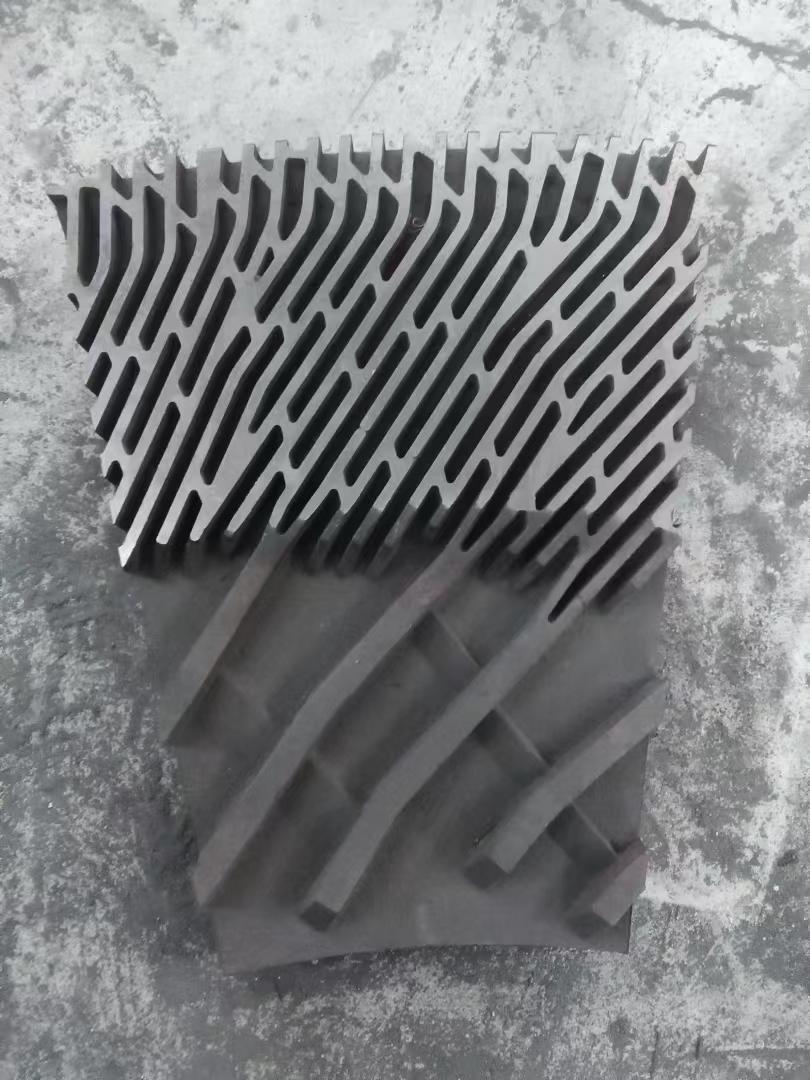
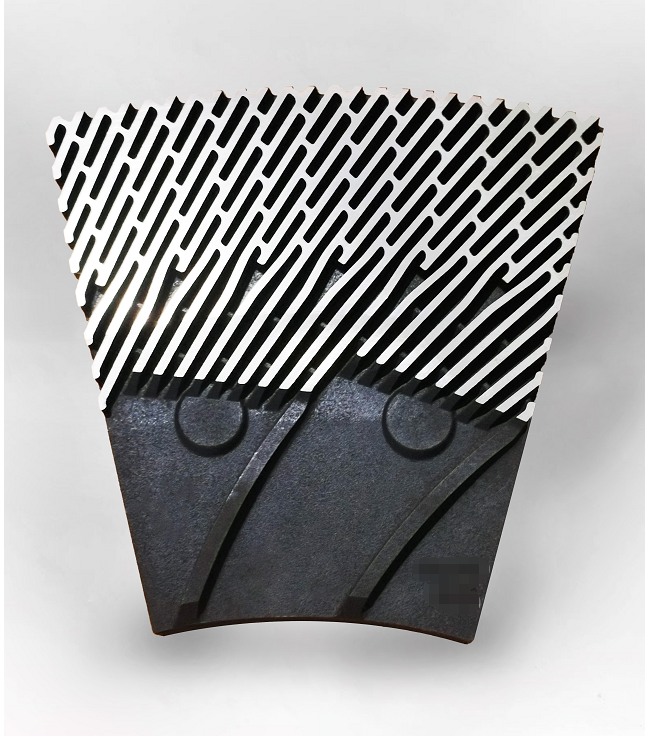
Chromium is an important alloying element in high-chromium cast iron, but increasing chromium content does not automatically produce a proportionate increase in service life.
The following characteristics should be evaluated together.
Chromium content: Influences carbide formation and alloy characteristics.
Carbon content: Affects carbide formation, volume fraction, and the overall structure.
Carbide morphology: The size, distribution, and continuity of carbide phases influence wear behavior and fracture resistance.
Matrix structure: Determines how the hard phases are supported under operating loads.
Toughness: Helps resist cracking and chipping during impact or abnormal operating conditions.
HUATAO's supplied product specification includes high-chromium alloy materials with Cr content up to 28%. The actual chemical composition and mechanical properties should be confirmed through the relevant production inspection records.
Hardness and toughness are not interchangeable.
Hardness relates to resistance to indentation and local deformation. Toughness relates to the ability to withstand energy absorption before fracture.
In MDF refining, a plate must resist progressive wear while maintaining structural integrity.
A plate that is too soft may experience rapid bar rounding. Conversely, a material with insufficient toughness may be vulnerable to chipping or fracture.
Therefore, the ideal material should balance abrasive wear resistance with sufficient mechanical reliability for the actual operating environment.
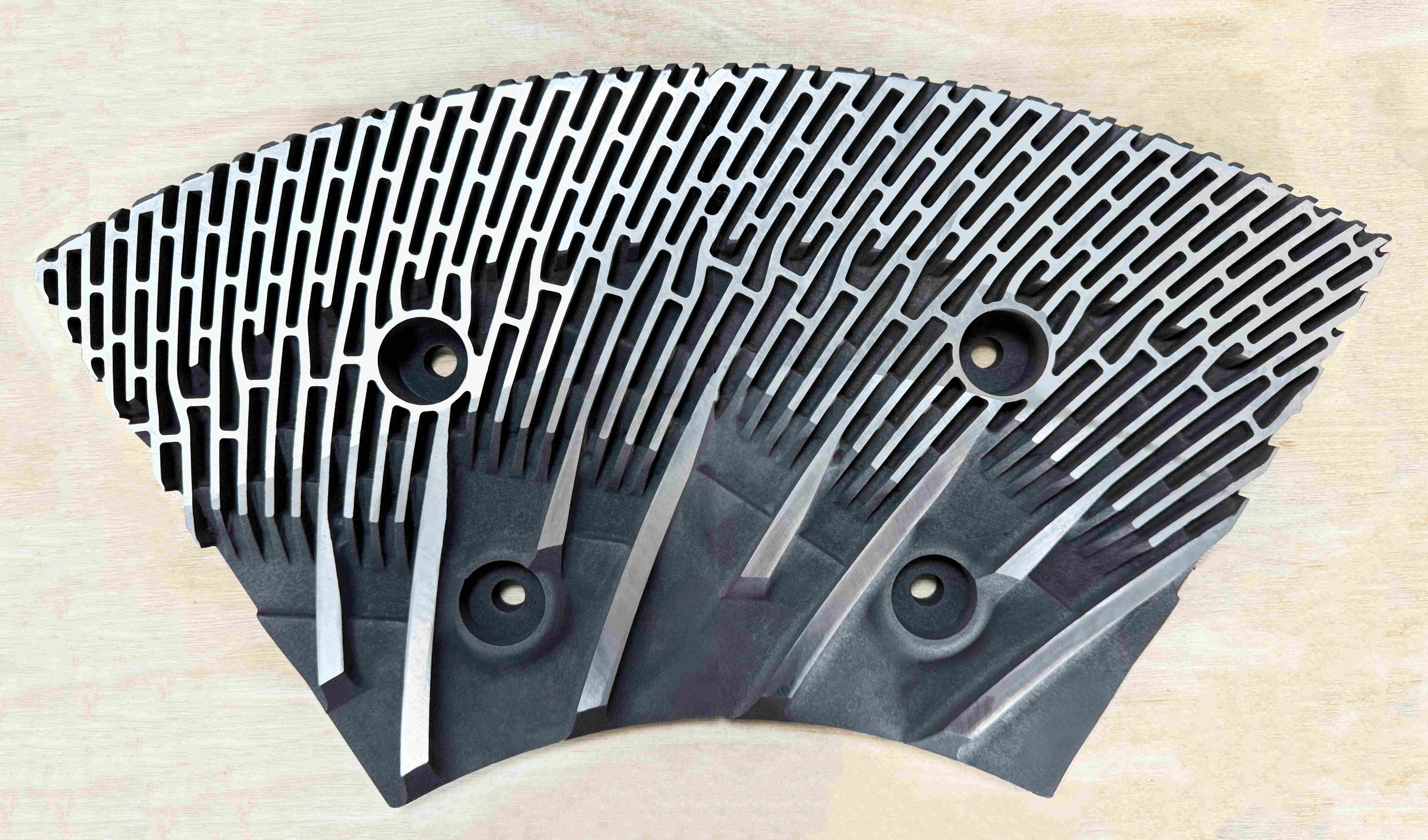
Material is only one part of refiner plate performance.
The tooth pattern determines how the wood chips and fibers interact with the refining surface.
Important design considerations include:
Bar width and groove width.
Tooth height and profile.
Bar angle and arrangement.
Refining zones.
Material flow and discharge requirements.
Compatibility with the existing refiner.
Different equipment models may require different plate dimensions and tooth patterns.HUATAO supports customized tooth patterns based on customer drawings and equipment requirements.
MDF manufacturers should compare plate materials using consistent operating conditions.
Useful indicators include:
Operating hours before replacement.
Changes in tooth height and profile.
Fiber quality during operation.
Specific energy consumption under comparable conditions.
Plate damage, cracking, or chipping.
Maintenance and replacement costs.
When conducting a supplier comparison, avoid comparing service life alone if the production loads, raw materials, and operating conditions are different.
A controlled trial gives more useful information than a simple comparison of material certificates.
High-chromium alloy cast iron is a practical candidate for MDF refiner plates in high-wear applications.However, material selection should consider chromium content, carbide distribution, matrix structure, toughness, casting quality, and tooth geometry together.HUATAO provides customized MDF refiner plates with alloy materials containing up to 28% Cr and tooth patterns made according to customer drawings.The objective is to help MDF manufacturers select replacement components that suit their actual refining conditions.
Related Products
Related Applications
Related Technical Resources
Contact HUATAO — Lucy
Email: Lucy.chai@huataogroup.com
WhatsApp / Tel: +86 153 7388 3537
Website: www.refinerdisc.com
can not be empty
can not be empty

HUATAO GROUP - REFINER PLATES
ADD : No.298 Zhonghua North Street, Shijiazhuang 050000 China.
TEL : +86 0311 80690567
EMAIL :Lucy.chai@huataogroup.com
Web: www.refinerdisc.com
 WhatsApp & WeChat : +86 15373883537